+606 – 315 8888 | +606 – 225 2888
  +606 – 315 8930 | +606 – 315 8931



Wound Care Clinic: When Should You See a Specialist for a Non-Healing Wound?
Most minor wounds heal naturally within a few days. However, when a wound takes longer than expected to heal, it may be a sign of an underlying problem. A non-healing wound should not be ignored, as delayed treatment can increase the risk of infection, tissue damage, and other complications.
Early assessment is important, especially for patients with diabetes, poor circulation, pressure injuries, or post-surgical wounds. With proper evaluation and treatment, many chronic wounds can heal effectively and safely.
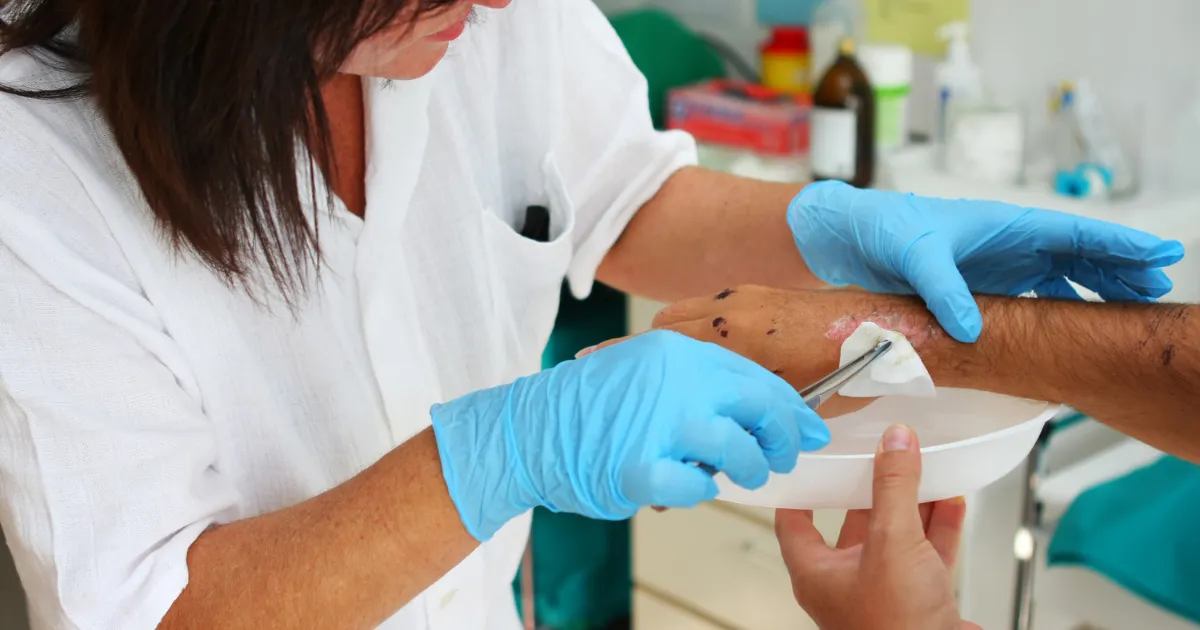
What is a Non-Healing Wound?
A wound is generally considered non-healing if it does not show signs of improvement within two to four weeks. These wounds may appear small at first but can gradually worsen if left untreated.
Common types of non-healing wounds include:
- Diabetic foot ulcers
- Pressure sores (bed sores)
- Venous leg ulcers
- Post-surgical wounds that reopen
- Traumatic wounds that fail to heal
- Infected wounds
- Wounds with exposed tendon or bone
These conditions often require specialised wound care to promote healing and prevent complications.
Why Do Some Wounds Take Longer to Heal?
Wound healing is a complex process. Several factors can slow down recovery, including:
Diabetes
High blood sugar levels can damage nerves and blood vessels, reducing sensation and slowing healing. Patients may not realise they have an injury until it becomes serious.
Poor Blood Circulation
Reduced blood flow means less oxygen and nutrients reach the wound, delaying healing.
Infection
Bacteria in the wound can damage healthy tissue and prevent new tissue from forming.
Repeated Pressure
Continuous pressure on certain areas, especially the feet or heels, can prevent wounds from closing.
Underlying Bone or Joint Issues
From an orthopaedic perspective, deformities, abnormal pressure points, or joint instability can cause wounds to reopen repeatedly.
How a Wound Care Clinic Can Help
Specialised wound care involves more than just changing dressings. A comprehensive assessment is performed to identify the cause of delayed healing and create a personalised treatment plan.
Thorough Wound Assessment
The wound is evaluated for size, depth, infection, blood supply, and pressure areas. This helps determine the most appropriate treatment approach.
Debridement and Infection Control
Removal of dead or infected tissue may be required to promote healing. Proper wound cleaning and targeted treatment help reduce bacterial load and encourage healthy tissue growth.
Advanced Wound Dressings
Different types of dressings are used depending on the wound condition. These dressings help maintain the right moisture balance, protect the wound, and support faster healing.
Pressure Off-Loading
Reducing pressure is especially important for foot ulcers and pressure injuries. Special footwear, padding, or off-loading devices may be recommended to protect the wound during healing.
Patient Education and Prevention
Patients are guided on proper wound care at home, dressing changes, hygiene, and prevention strategies to avoid recurrence.
Warning Signs You Should Not Ignore
Seek medical attention if you notice:
- Wound not healing after 1–2 weeks
- Increasing redness or swelling
- Pus or discharge
- Foul smell from the wound
- Black or dead tissue
- Fever or chills
- Increasing pain
- Wound becoming larger
- Numbness around the wound
Early treatment can prevent complications and improve healing outcomes.
Why Early Treatment Matters
Delaying treatment for a non-healing wound can lead to serious complications such as:
- Severe infection
- Tissue damage
- Bone involvement
- Hospital admission
- Surgical intervention
- Risk of amputation in severe cases
With early specialist care, most wounds can be treated effectively before complications develop.
When Should You Visit a Wound Care Clinic?
Consider seeking professional wound care if:
- Your wound is not improving
- You have diabetes with any foot wound
- The wound keeps reopening
- There is swelling, redness, or discharge
- You have a pressure sore
- You recently had surgery and the wound is slow to heal
Early evaluation allows for proper treatment and reduces the risk of long-term complications.
Take the Next Step
A non-healing wound should never be ignored. With proper assessment, advanced wound care techniques, and personalised treatment, healing can be supported safely and effectively. Early care helps prevent infection, protect surrounding tissue, and maintain mobility and quality of life.
If you or your loved one has a wound that is slow to heal, our dedicated wound care team is here to help. From comprehensive assessment to advanced treatment options, we provide personalised care to support healing and prevent complications.
Learn more about our Wound Care Clinic services.
Article reviewed by,
Consultant Orthopaedic Surgeon