 +606 – 315 8888 | +606 – 225 2888
  +606 – 315 8930 | +606 – 315 8931



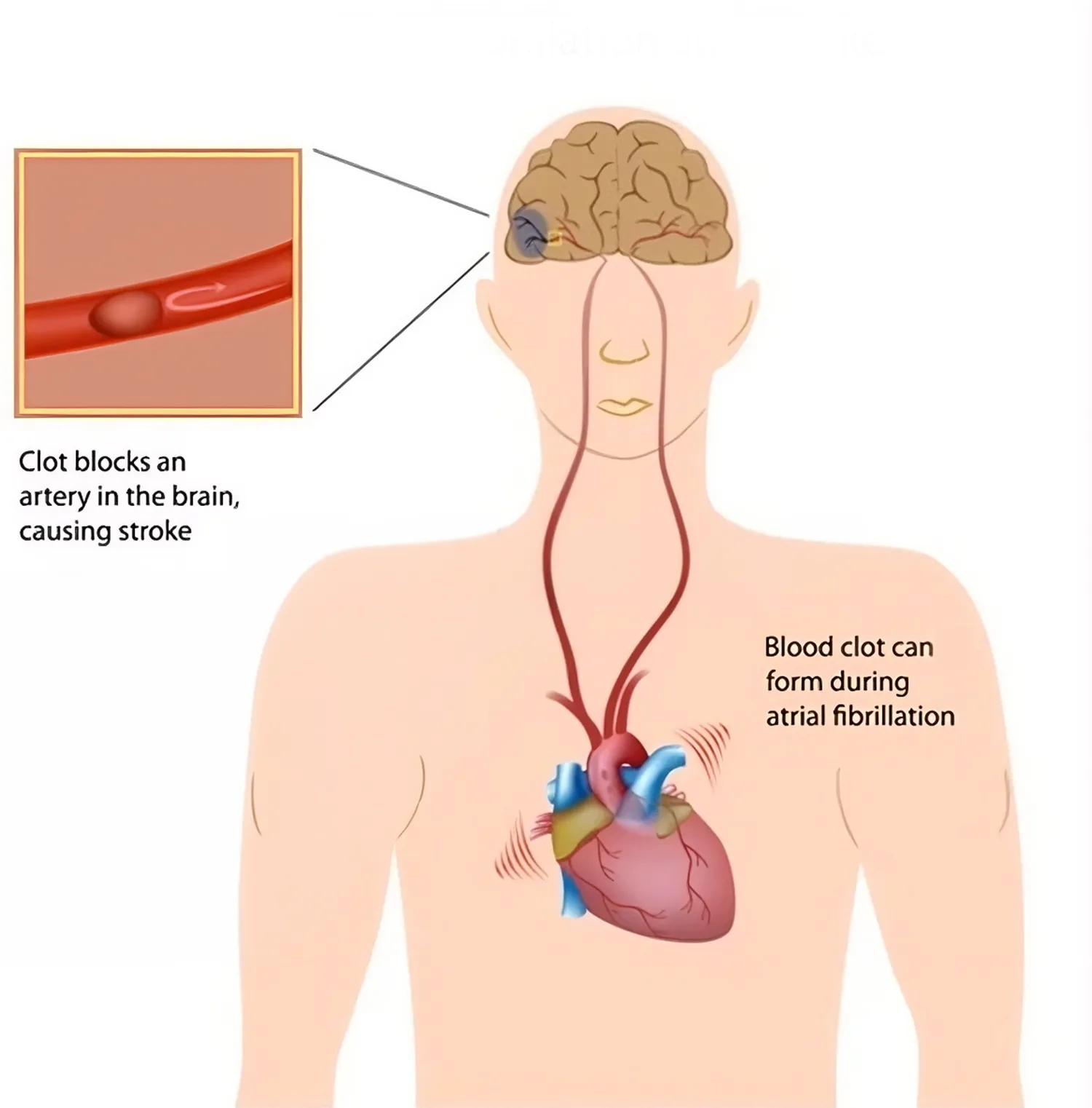

MELAKA, June 10 — Atrial fibrillation (AF), a common heart rhythm disorder that often develops without any clear symptoms, is behind up to a quarter of all strokes in Malaysia, making early detection crucial in preventing serious health complications.
According to findings from the Framingham Study, AF contributes to between 20 and 30 per cent of all ischaemic strokes worldwide. In Malaysia, the Ministry of Health estimates the condition to account for 15 to 25 per cent of all stroke cases in the country.
Dr Hartini Mohd Yusof, a triple specialist in Cardiology, Electrophysiology and Internal Medicine at Oriental Melaka Straits Medical Centre, said AF remains under-recognised despite being one of the most preventable causes of stroke.
“Atrial fibrillation increases the risk of stroke by up to five times, yet it is one of the most preventable causes of stroke. The challenge is that many patients do not experience symptoms,” she said, adding that what makes AF particularly hard to catch is how quietly it operates.
“Up to 30 to 40 percent of individuals with AF are asymptomatic, what we call silent AF. Without detection and treatment, these individuals remain at significant risk, with stroke sometimes being their very first presentation,” Dr Hartini said.
Health authorities, including the World Health Organization (WHO) and the European Society of Cardiology, recommend routine pulse checks as a simple frontline screening method. The process takes less than 30 seconds and requires no specialised equipment.
A healthy pulse should be regular and steady, typically ranging from 60 to 100 beats per minute. Individuals should seek medical attention if they notice an irregular heartbeat, fluttering sensations, or an unusually fast or slow pulse. Those who notice any of these should seek medical attention promptly, with diagnosis usually confirmed through an electrocardiogram (ECG) or ambulatory heart monitoring.
The SAFE study found that routine pulse checks identified previously undiagnosed AF in approximately one to two per cent of older adults, a figure that, scaled across a population, represents thousands of potential early interventions.
Once AF is diagnosed, treatment options are highly effective. Oral anticoagulants, commonly known as blood thinners, can reduce stroke risk by 60 to 70 per cent. Newer direct oral anticoagulants also offer improved safety, including a significantly lower risk of serious brain bleeding.
For selected patients, advanced treatments such as catheter ablation or left atrial appendage closure may also be considered.
While AF is more common among individuals aged 65 and above, Dr Hartini cautioned that younger Malaysians with hypertension, diabetes or existing heart conditions are also at risk.
Stressing on the importance of regularly monitoring one’s pulse, Dr Hartini urged all Malaysians to manage chronic health conditions, maintain a healthy lifestyle and undergo routine health screenings to reduce the risk of stroke and other complications associated with AF.
Read original article from Weekly Echo.
Also featured on: