 +606 – 315 8888 | +606 – 225 2888
  +606 – 315 8930 | +606 – 315 8931


Inside our eyes, we have a natural lens. The lens bends (refracts) light rays that come into our eyes to help us see clearly. This lens should be clear for us to see well. To make it simpler to understand, the lens is like a car’s windshield; when it is clean and clear, we can see through it without any obstructions. Our vision will be crystal clear.
Cataract is a pathologic condition in which this natural lens in our eyes gets cloudy or opacified. It is like looking through a foggy or dusty car windshield. Things look blurry, hazy or less colourful with cataract.
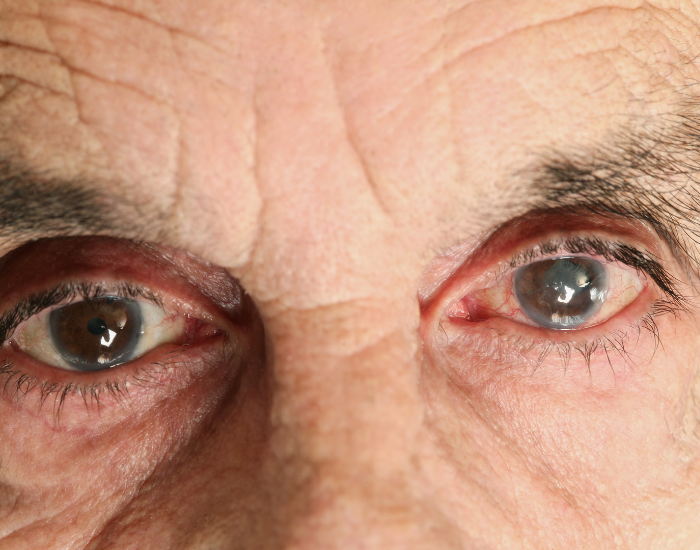
So, what causes cataracts? The commonest cause is aging. This is due to the normal eye changes that begin to happen after age 40. That is when normal proteins in the lens start to break down. This is what causes the lens to be cloudy. People above 60 usually start to have some clouding of their lenses. However, vision problems may not happen until years later. Other causes of cataract include having a close family member with cataract, certain medical conditions such as diabetes, previous eye injury/radiation treatments near your upper body, having spent a lot of time in the sun especially without adequate UV protection, medications such as steroids and smoking.
The symptoms of cataract depend on the type and severity of your cataract. One of the earliest symptoms is a frequent change in prescription glasses. Often, by adulthood, our eyes’ refractive power stabilizes. In early cataract, the lens starts to lose elasticity and flexibility, causing an increase in the refractive index of the lens. This leads to a myopic shift (short-sightedness), hence a change in ‘glasses power’. Other symptoms include blurry images, which most people complain about. In some, they may even see double images or seeing bright colours as faded or with a yellowish hue instead. Some may experience difficulty seeing well at night or needing more light when reading. Others may experience glares or are extra sensitive to light (especially with oncoming headlights at night). A person with cataract may experience any or multiple of these symptoms.
Most age-related cataracts develop gradually. Other cataracts can develop more quickly, such as those with diabetes.
Your ophthalmologist will examine your eyes with a slit lamp machine. This comprehensive eye examination will include dilation (eye drops that widen your pupils). Hence, it is best to come with a companion as vision will be momentarily blurred following the dilation. When your eye is dilated, the pupils are wide open so the doctor can see the back of the eyes better. Using the slit lamp, the doctor examines the type and severity of cataract. Your ophthalmologist will also look for glaucoma and examining the retina, as your poor vision may not be solely due to cataracts.
Up till now, there is no medication that can be taken to prevent cataract. You may be able to slow down your development of cataracts by protecting your eyes from sunlight. Taking care of your general health and maintaining a balanced diet may also slow down your development of cataract.
What should I do once I have a cataract diagnosis?
While there are no specific guidelines as every individual is different, as a general rule, you may have an eye exam every year if you’re older than 65 years or every 2 years if younger. Protect your eyes from UV light by wearing sunglasses. Get the right spectacles to correct your vision. Quit smoking if u do. Control your medical issues such as diabetes. If your cataract symptoms are not bothering you very much, you don’t have to remove your cataract. You might just need a new eyeglasses prescription to help you see better. When it becomes difficult to carry out your regular activities, you may consider cataract surgery.
Make an informed decision about cataract surgery. Discuss with your ophthalmologist regarding the surgery, preparations for and recovery after surgery, benefits and possible complications of cataract surgery, choice of lens implanted, cost of surgery and other questions you may have.
Article by,
Dr. Yeoh Shao Yin (Serena)
Consultant Ophthalmologist

